
In almost every Indian home, there comes a moment when a child is deeply focused on a match, mic on, squad ready — and suddenly a parent walks in and says, “Kitna kheloge? Stop wasting time!” That single sentence kills enthusiasm instantly. But parents are not enemies — they simply don’t understand what gaming has become today. They grew up in a time when games were played in parks, not on screens. For them, gaming still looks like distraction, not dedication. They don’t see the strategy, reaction time, communication, teamwork, and pressure-handling skills that go into high-level gameplay. So before getting angry at them, take a step back. Understand their mindset — they fear uncertainty, not your passion.
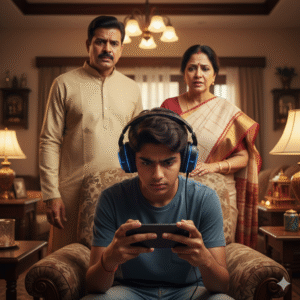
The most important thing is how YOU communicate your dream. Instead of shouting “Gaming is my life!”, try telling them calmly: “I want to pursue esports professionally, and I’m willing to maintain balance and discipline in life.” When you speak with maturity, they begin to treat your interest as serious ambition, not childish obsession. Parents don’t hate gaming — they hate careless behavior. If they see you skipping meals, ignoring studies, avoiding exercise, becoming irritated or addicted — of course they will worry. So show them the responsible side: play with schedule, show control, demonstrate discipline. When they see that you can handle gaming along with other responsibilities, trust begins to grow.
And trust me, nothing convinces Indian parents better than real-world examples. When you show them that Jonathan, ScoutOP, Mortal, and other Indian gamers have represented India globally and built respectable careers — it opens their eyes. When they hear that streamers earn lakhs per month through sponsorships, brand deals, and tournaments — suddenly gaming stops looking like “childish waste of time” and starts looking like a futuristic profession. Parents don’t need promises — they need proof. Show them your progress: achievements, gameplay stats, tournament placements, audience engagement, YouTube analytics, even feedback from other gamers. When they see results, they begin to believe.
And don’t underestimate the power of a plan. Parents hate uncertainty, but they LOVE structure. Tell them: “I am not blindly gaming; I have a growth plan — improving skills, participating in tournaments, building online presence, collaborating with esports communities, and moving towards sponsorships and pro-teams.” When they see you thinking 2-3 years ahead, not just thinking about the next match, they start respecting your ambition. Also reassure them with a backup — because Indian parents need that comfort. Explain that even if esports doesn’t work fully, you still have options: video editing, content creation, game coaching, esports management, social media, digital marketing — or even a traditional job if necessary. This “safety net” reduces anxiety and increases support.
But above everything, remember — don’t fight them… win them. Yelling creates resistance, but communicating creates cooperation. If they oppose gaming, don’t respond with frustration — respond with information. Show them the rapidly growing Indian esports industry. Show how gaming platforms like BattleGrow provide structured competition and fair opportunities. Make them understand that esports is not reckless gambling — it is competitive skill-driven performance. You are not “just playing”— you are training, improving, competing, and evolving. The moment your parents see passion combined with discipline, seriousness, and results — something changes inside them. Their skepticism slowly turns into quiet interest… and eventually quiet pride.
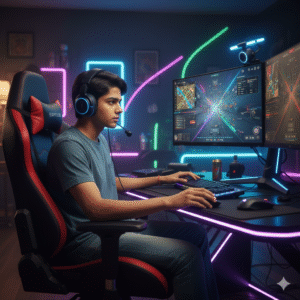
One day, when you climb the stage as a champion or streamer or esports athlete, when thousands cheer your name, when brands offer partnerships — your parents will not remember their doubts, they will remember how strong you were in pursuing your passion. Every great gamer once had to convince their family — and you can too. This journey is not just about winning tournaments… it’s about winning hearts, building trust, and proving that your dream is real. Gaming is not just a hobby anymore — it is the future. And if you treat it with respect, your parents will eventually respect it too.
 The Indian Parent Mindset: Why They Don’t Take Gaming Seriously
For decades, India has followed a traditional “stable job” system:
Engineering
Medical
Banking
Government jobs
Parents value security over passion.
They want their child to have:
steady monthly income
long-term stability
respect in society
social approval
From their perspective, gaming looks like just a “time-pass hobby.” Many parents think:
“Games are for entertainment, not work.”
“Gaming wastes time instead of building a career.”
“Only a few people succeed in gaming.”
“Nobody earns money from playing games.”
“There is no future in esports in India.”

These are understandable concerns — because parents don’t know the ESPORTS REALITY. Gaming Has Become a Real Profession in India
This is the first major point you must explain to your parents.
Esports is not just gaming — it is a competitive sport with:
Sponsorships
Tournament winnings
Streaming income
Brand partnerships
Salaries from esports teams
Coaching opportunities
Content creation
In India, esports has grown massively in the past few years.
Example earning sources for professional gamers:
| Source of Income | Estimated Potential |
|---|---|
| Tournament Prizes | ₹10,000 – ₹50+ Lakhs |
| YouTube & Streaming | ₹5,000 – ₹10 Lakhs/month |
| Sponsorship & Brand Deals | ₹10,000 to Crores |
| Clan ownership / esports org | Variable |
| Coaching players | ₹10,000 – ₹2 Lakhs/month |
| Affiliate promotions | ₹5,000 – ₹1 Lakh/month |
When your parents understand that esports is bigger than cricket for youth, they begin to see the seriousness.
 Real Indian Success Stories That Impress Parents
Parents believe what they see.
Show them real examples:
Jonathan (TSM) — One of India’s most famous BGMI players
ScoutOP — Sponsored by multiple global gaming brands
MortaL — Represented India internationally
Dynamo Gaming — One of India’s top gaming streamers
Payal Gaming — Pro female BGMI streamer and gamer
Ghatak, Goblin, Mavi, Regaltos, Snax — All full-time gaming professionals
Tell parents:
These people earn more than most engineers & doctors.
 How to Talk to Parents — Winning Conversation Strategy
When speaking to parents, use logical, mature language, not emotional argument.
 What NOT to say
 “You don’t understand anything.” “Gaming is my life.” “I hate studies.” “I will become a pro gamer; just trust me.”
These statements increase conflict.
 What to say instead
 “I want to pursue gaming seriously and responsibly.” “I am researching the industry and planning carefully.” “I will maintain my studies/work alongside gaming.” “I want your support, not permission for irresponsibility.”
This creates mutual respect.
 Show them a Career Plan — Parents LOVE plans
Parents don’t want you to waste your life.
They want to see:
goals
roadmap
structure
Create a simple plan like:
Year 1:
Build skills
Join tournaments
Create content
Learn strategy
Network with players
Year 2:
Try joining a clan/team
Participate in bigger tournaments
Grow audience
Look for sponsors
Year 3:
Professional esports career
Income from multiple sources
Brand partnerships
This shows commitment + maturity.
 Show Parents the Financial Side of Esports
Parents worry about MONEY — so address it directly.
Tell them:
Players can win money in tournaments
Streamers earn from ads & memberships
Companies sponsor gamers
Esports players sign contracts like athletes
Events and platforms (like BattleGrow) pay prize pools
When parents see a financial path — they relax.
 Back-up Plan — Very Important
Your parents will ask:
“What if gaming doesn’t work?”
Your answer:
I can continue studies
I can learn video editing
I can become a streamer
I can do gaming-related work
I can learn social media marketing
I can work in esports management
I can become a coach
I can launch a gaming brand or company
This proves:
You are not blindly gambling, you are planning a professional future.
 Show Parents Your Current Progress
If you want them to believe you, show:
Tournament results
K/D ratio & stats
Rank achievements
Teamwork capability
Followers or subscribers
Engagement numbers
Practice sessions
Game knowledge
Parents respect visible progress.
 Remain Calm & Respectful
Never fight or argue aggressively.
If parents say:
“Gaming is a waste of time.”
You calmly reply:
“I understand your concern. But I want to show you the real side of esports.”
Respect builds trust.
 Prevent Addiction – Build Trust
Parents fear:
addiction
health damage
wasted time
Show responsibility:
Take regular breaks
Do eye exercises
Stay hydrated
Maintain sleep schedule
Balance real life & gaming
Don’t skip studies/work
This proves you control gaming — gaming doesn’t control you.
 Final Conclusion
Many Indian parents still don’t understand esports because they haven’t seen its success and potential.
Your job is to:
educate them
show real-life examples
demonstrate discipline
present a plan
prove maturity
Gaming is no longer “just a hobby.”
It is a legitimate career path in 21st-century India — especially with platforms like BattleGrow enabling fair, competitive, professionally managed tournaments for emerging players.
With respect, communication, and responsibility — your family can become your strongest support system in your esports journey.
 CTA for Blog End
If you’re serious about competitive gaming, join BattleGrow’s upcoming BGMI tournaments and start building your esports future.
Visit: battlegrow.com